
Selecting the right manufacturing partner is one of the most important decisions any apparel brand can make. Even with a good product design, if the production quality, communication, or delivery timelines are poorly managed, the product can fail.
This is why many overseas brands prefer to work with a clothing buying house rather than many factories directly. A professional buying house helps buyers to be in control without actually being in the manufacturing country. It takes care of sourcing, production, quality and coordination so that buyers can concentrate on growing their businesses but picking the wrong sourcing partner can lead to delays, quality issues, hidden costs and missed opportunities.
Here is a practical guide on how to choose the right clothes buying house.
What is a Clothing Buying House?
A clothing buying house is the local sourcing and production partner for international apparel buyers.
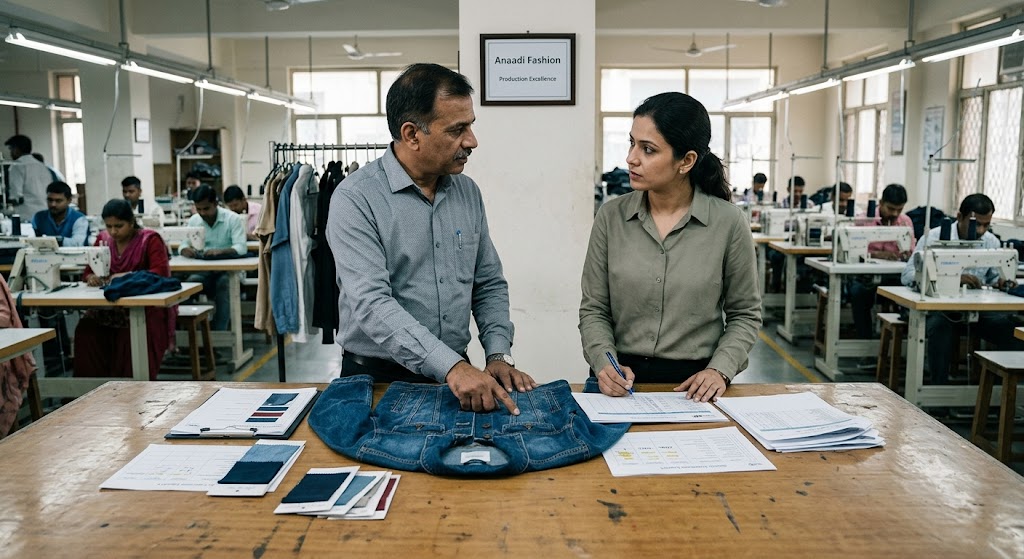
Simply put, it’s the buyer’s eyes and ears on the factory floor. Buyers are not just receiving emails and production updates, but are now being provided with an on-the-ground team of experts to manage development, inspect quality, monitor production schedules, and maintain communication.
The role of a buying house usually includes:
- Factory identification and selection
- Supplier evaluation and audits
- Fabric and trim sourcing
- Product development and sampling
- Cost negotiations
- Production tracking
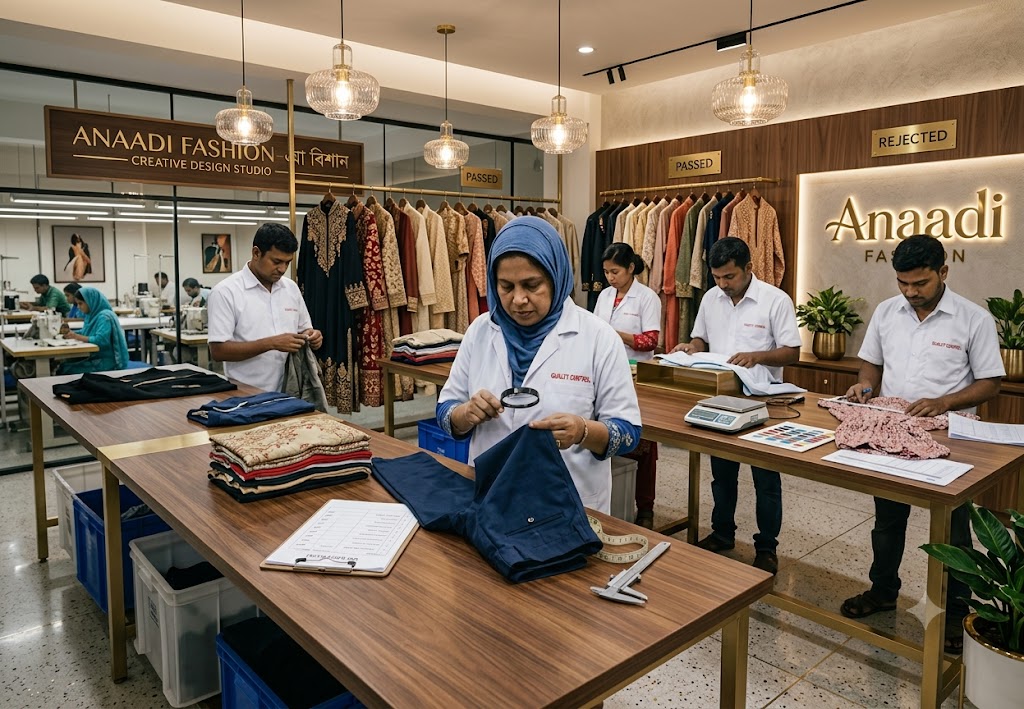
- Quality inspections
- Shipment coordination
It reduces operational risk for overseas brands and provides greater visibility across the entire order cycle.
An experienced apparel sourcing agent does not just connect buyers to factories. it helps protect timelines, quality standards, and business reputation.
4 Critical Checkpoints Before Signing a Sourcing Partner
Many sourcing companies offer similar promises, but the actual working process often differs. Before making a decision, review these four checkpoints carefully.
- Factory Audit Transparency & Compliance
The primary query that needs to be posed by the buyer is, “How do you select your factories?” Reliable sourcing partners have an established procedure and source products from validated manufacturing units.
Ask questions such as:
- Are factories checked regularly?
- Are social and quality standards monitored?
- Can audit reports be shared?
- Is production traceable?
An effective sourcing partner should have a transparent procedure for sourcing the product.
In case the process of selection of factories is unclear and confidential, there might be problems with resolving problems later on. Transparent approach right at the start always indicates what the entire relationship would be like.
- Communication Turnaround and Language Fluency
Production moves quickly, and delayed communication creates avoidable mistakes.
One missed approval or misunderstood requirement can impact delivery schedules.
A strong sourcing partner should provide:
- Fast response times
- Clear written communication
- Structured reporting
- Buyer-friendly coordination
- Strong understanding of technical requirements
Communication skills become important because it prevents misunderstandings between the buyer and the factory.
Effective communication does not entail the sending of numerous messages but the provision of appropriate information at the appropriate time.
- Strong Network of Audited Fabric Mills
Raw material supply is a very crucial part of manufacturing the products.
A buying office must have the resources of reliable mills even before getting an order for the production.
Evaluate whether they can support:
- Woven fabrics
- Knit developments
- Printed and embroidered materials
- Specialty textiles
- Sustainable fabric options
With a stronger sourcing process, buyers have greater flexibility, improved quality control, and easier production planning.
In fact, it is even more critical when dealing with large quantities via a bulk clothing supplier.
- Prototyping and Sampling Speed
Sampling is the point where production succeeds.
Prior to placing bulk orders, it is essential that customers know that styles can be done right and effectively.
Ask:
- How quickly can samples be delivered?
- How are revisions managed?
- Is technical feedback provided?
- How many development rounds are supported?
Quick and precise sampling prevents problems during bulk production.
Effective garment production management should always start with an organized development process.
Red Flags to Avoid in B2B Garment Sourcing
Along with checking capabilities, buyers should also watch for warning signs.
Hidden Commissions
Pricing should remain clear and structured.
Unexpected price changes or unclear sourcing margins can increase costs and reduce trust.
No Third-Party Inspection Access
Independent inspections protect both buyers and suppliers.
If inspection access is restricted, buyers lose visibility into production quality.
Unrealistic Lead-Time Promises
Short timelines may sound attractive but often create pressure later.
Reliable sourcing partners provide realistic commitments and communicate possible risks early.
Limited Production Updates
Production should never become invisible after order confirmation.
Regular reporting and progress tracking help buyers make faster decisions and reduce surprises.
Why Anaadi Fashion is the Preferred Choice for Overseas Buyers
Anaadi Fashion adopts an effective approach to sourcing services for clothing companies in search of trustworthy partners in India.
The emphasis is not only on order processing but on handling the entire process from beginning to end.
Anaadi Fashion supports buyers through:
- Transparent communication and regular updates
- End-to-end sourcing and production coordination
- Factory and fabric supplier management
- Product development and sampling support
- Quality monitoring before shipment
Delivery follow-up and execution control
Conclusion
Selecting an appropriate clothing purchasing house entails more than just selecting a source contact; it means selecting a business partner for the future. Apparel buyers who emphasize transparency, effective communication, dependable source connections, and proper production planning stand a better chance of growing consistently. When such a good support system is put in place, sourcing apparel becomes easier.
Don’t risk your next collection on unverified factories. Let Anaadi Fashion handle your end-to-end bulk production with zero hassle. Request a Free Custom Sampling Quote